Our Wooden Kitchenware Makers: From Northern Thailand to Your Kitchen
This is the heart of Yompai. Our kitchen tools are not stamped out by cold machinery in a vast factory. Instead, they are quietly hand-carved in open-air workshops by skilled artisans in rural Northern Thailand—people we know personally, respect, and partner with directly.
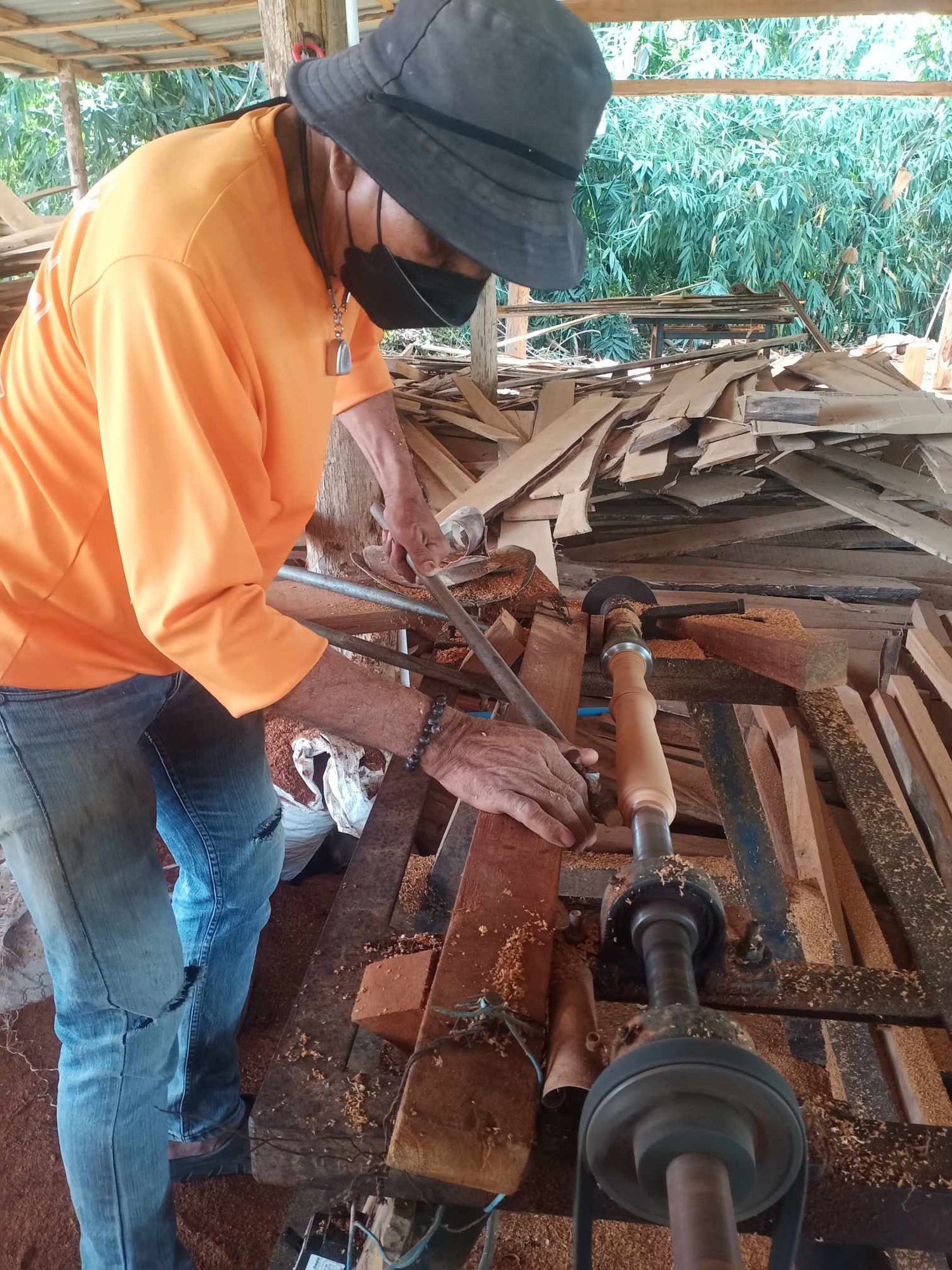
A Transformation of Tradition
Just over thirty years ago, these villagers were nomadic, relying on slash-and-burn farming to survive. This lifestyle was difficult; the land was often degraded, and young people frequently had to leave their homes for urban jobs that offered little dignity or agency.
The landscape changed when a pilot project was established to support the community. With the guidance of agricultural and craft experts, the villagers transitioned to organic, sustainable farming and developed high-level woodworking skills. Today, this work allows them to stay in their villages, maintaining strong community bonds while engaging in dignified, highly skilled craftsmanship.
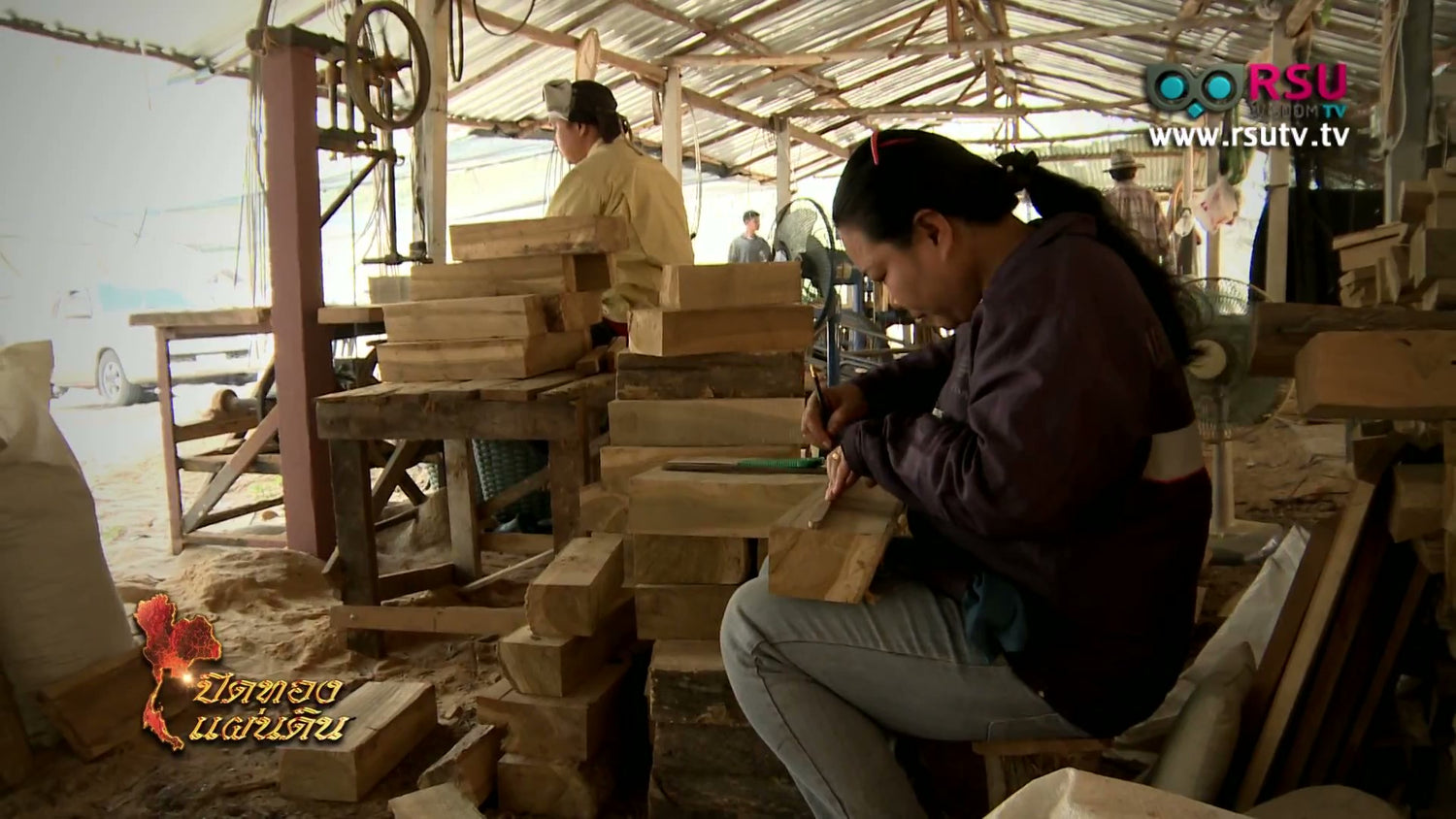
Empowering Artisans and Our Community
Many of the people crafting these utensils are women who play a major role in the production. By keeping production entirely within these communities, we ensure the process remains pure and ethical. We buy directly from these artisans at the prices they set, ensuring the full value of their labor remains within their community.
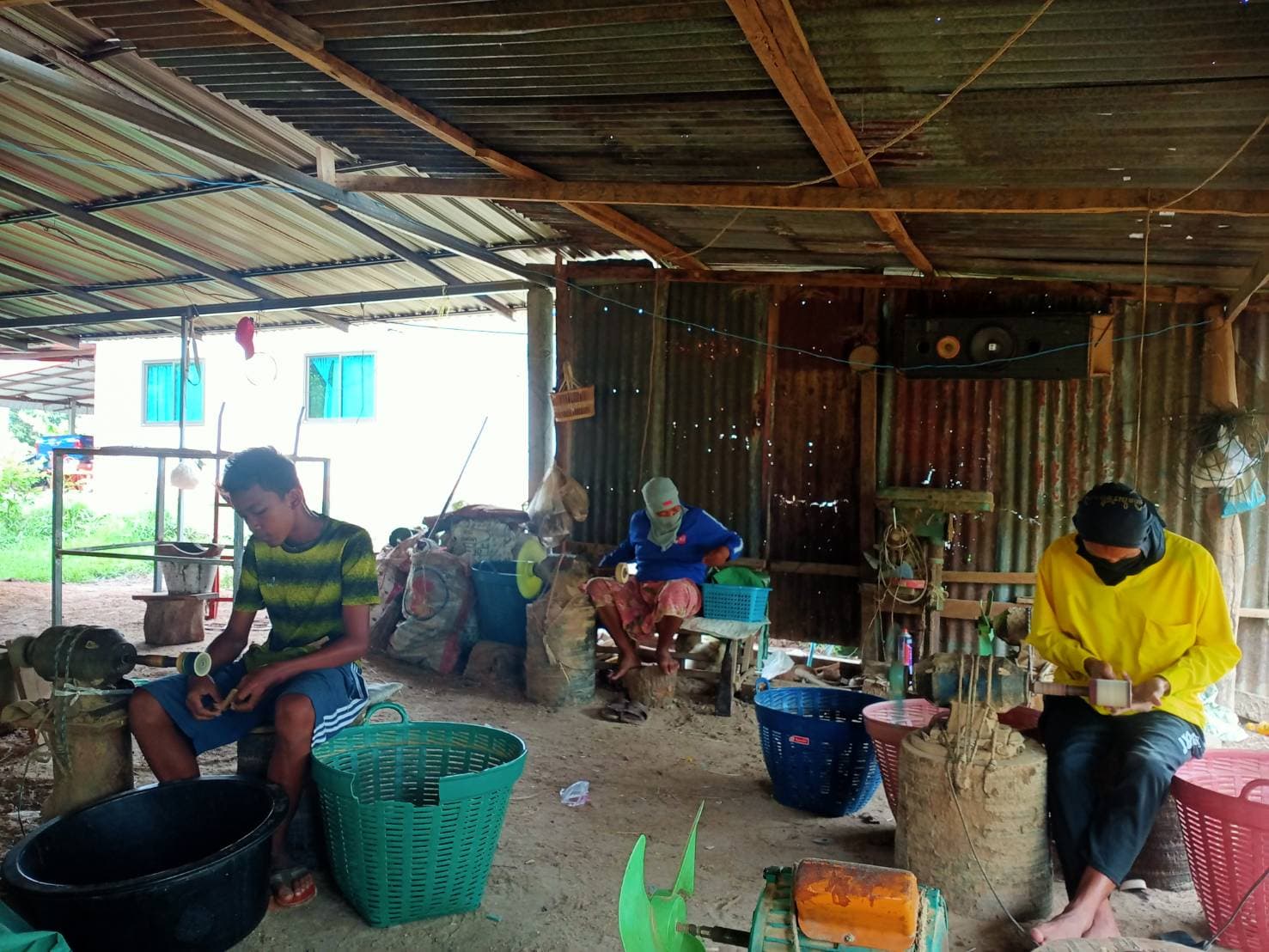
The Slow, Intentional Art of Hand-Carving
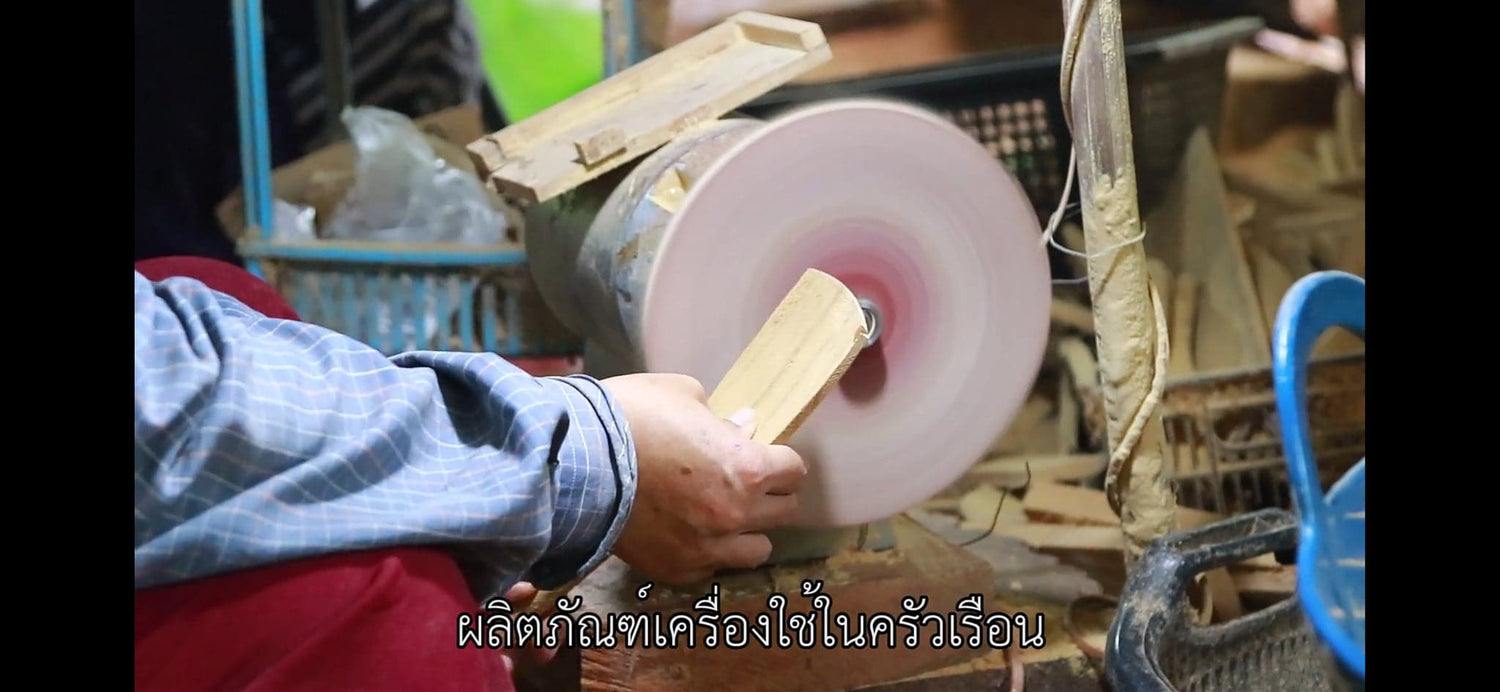
Every spatula, spoon, and server begins as a piece of sustainably sourced teak or rosewood. Using traditional tools, the wood is shaped following the natural flow of the grain. This slow, measured process means that no two pieces are ever identical. The subtle character of the wood remains, giving each piece a tactile, human warmth that mass-produced alternatives cannot replicate.
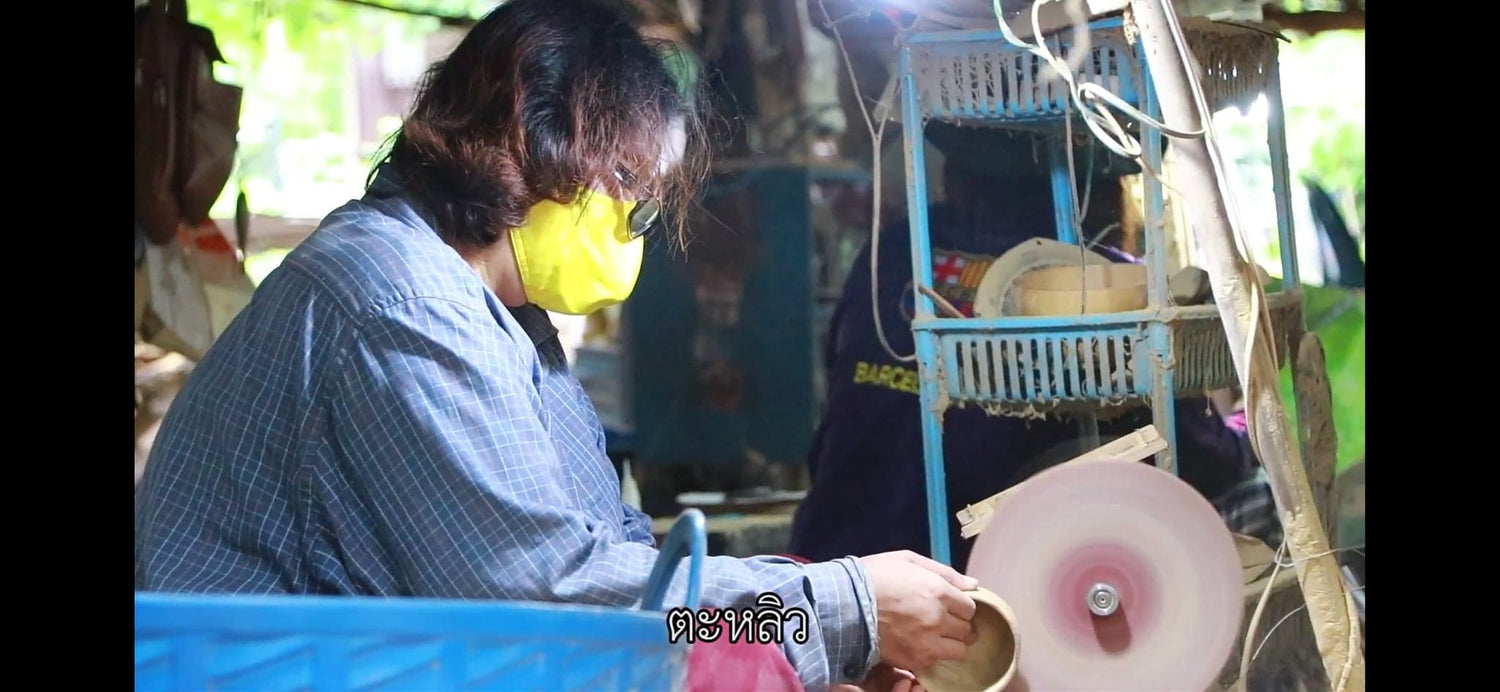
Designed for Healthy, Non-Toxic
The villagers who craft the kitchenware keep everything about the wooden spatulas and ladles 100% wood. They use zero toxic glues, zero plastics, and zero synthetic chemical lacquers. The wood is finished naturally to protect it, ensuring that only food-safe, non-toxic materials touch your family’s meals.
Sent directly from our base in Gisborne, these tools represent a bridge between traditional heritage and intentional, modern living.
Buying the wood

OTOP
This is the OTOP (One Tambon One Product) Certificate issued by the Thai Government to the village.

OTOP Certification
The second of the OTOP certificates, indicating the quality of the products and the work of grass roots organisations in producing the wooden utensils.